Therapists for eating difficulties

    Difficult relationships with food and eating are often linked with feelings and control. Look for a therapist with experience in this area, and speak to your GP too.

    We check every therapist's membership of their professional body, such as the BACP or UKCP, before they appear here.

    1 therapist for eating difficulties

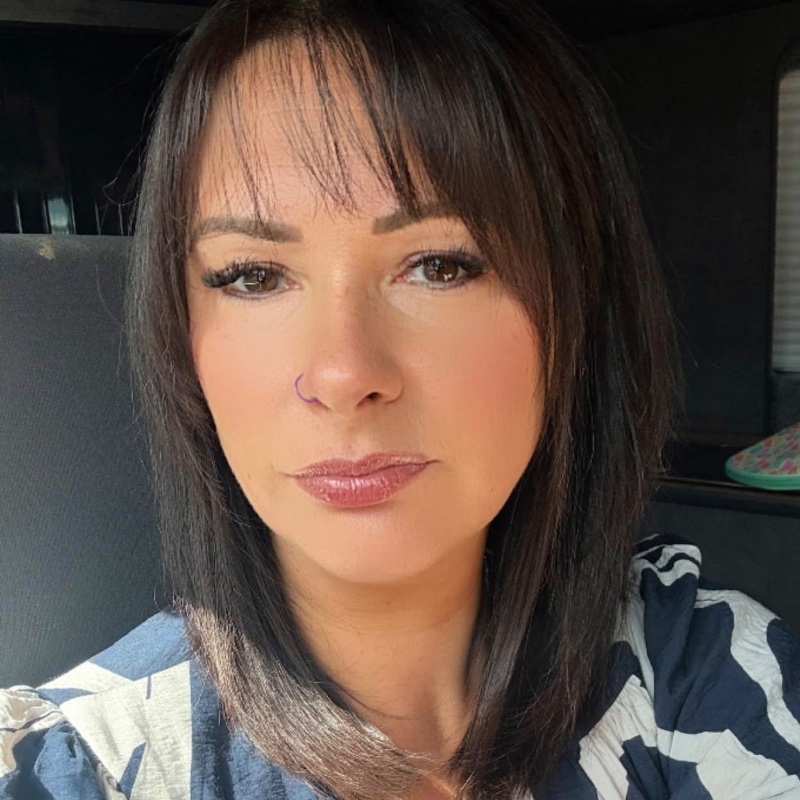
    • Integrative counsellor, working with adults over 18, especially with trauma, anxiety and life changes

      Taking new clientsIn person, AshfordOnline

      Helps with anxiety, panic attacks, depression, stress, bereavement and grief

      Hi I am Lucy. I am an Integrative Counsellor currently accepting clients. I offer in-person, online and telephone sessions, providing short and long-term counselling in a confidential and supportive space. My goal is to

      £45 a sessionBACP checked
      View profile

    More therapists are joining

    This directory is new. We check each therapist's professional body membership before they appear, so more will be added here soon. If you need someone sooner, the BACP register or your GP can help.

    Are you a therapist? Join the directory

    Eating difficulties: common questions

    General information to help you decide, not medical advice. Your GP can help too.

    What are eating difficulties?

    Eating difficulties cover a wide range of experiences, from restricting food, bingeing or purging, to a painful preoccupation with eating, weight or body shape. They are often linked with feelings, control and self-worth. Eating disorders can affect physical health, so please speak to your GP as well.

    How can therapy help?

    A therapist can help you understand what food and eating mean for you, and the feelings and situations linked to them. For eating disorders, therapy usually works best alongside medical support, and some people need specialist services, which your GP can refer you to.

    How do I choose a therapist?

    Look for a therapist who lists eating difficulties and has experience or training in this area, and ask how they work with GPs or other services. Check that they belong to a professional body, such as the BACP, UKCP or NCPS, and that you can find them on its register. Every therapist in our directory has had their membership checked by us. Most of all, look for someone you feel you could talk to; many people send a short message or have a brief call with one or two therapists before deciding. See how to check a therapist is registered.

    How much does it cost, and how many sessions will I need?

    Private therapists set their own fees, and these vary with experience, location and the kind of session. Many show their fees on their profile, and some offer reduced fees or a free first call. Work on eating difficulties often takes time, and it varies a great deal from person to person. NHS talking therapies are free. In England you can usually refer yourself online or through your GP; in Scotland, Wales and Northern Ireland, your GP can tell you what is available near you. There can be a wait. Our guide to how much therapy costs in the UK explains more.

    What we check

    Before anyone appears here, we look them up on their professional body's public register and confirm their membership. If they change it, we check again.

    Sending an enquiry

    Your message goes straight to the therapist, and only to them. They reply to you by email. Asking a question does not commit you to anything.

    Free to use

    Searching and sending enquiries is free. Therapists set their own fees, and show them on their profile when they choose to.